 blog.gov.je
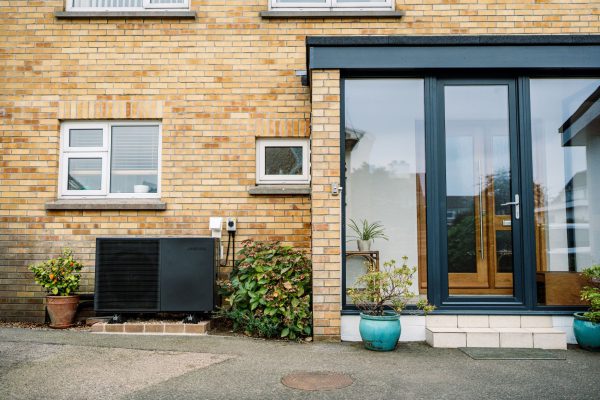
Heat pumps are one of the most efficient, low carbon heating options available today – typically producing around three units of heat for every unit of electricity used. They are suitable for most homes and are becoming an increasingly important part of the transition away from fossil fuel heating.
And here’s the key message many homeowners find surprising:
The biggest efficiency gains come from good system design – not perfect insulation.
Jersey’s Low Carbon Heating Incentive offers up to £9,000, or up to £15,000 for low-income households, to help replace oil or gas heating with low carbon alternatives such as air source heat pumps.
Do You Need a Fully Insulated Home First?
The short answer is no.
Heat pumps work efficiently in a wide range of homes – including older or less insulated ones. After all, your fossil fuel boiler heats your home right now despite any heat loss; it simply costs more to run. A heat pump is the same: insulation helps, but it’s not a prerequisite for installation or performance.
What really drives efficiency is:
- Proper system design
A well-designed system ensures the heat pump works with your home, not against it.
- Adequately sized radiators
Larger radiators allow low flow temperatures, which is the single biggest factor influencing heat pump efficiency.
- Realistic expectations
Insulation supports long term comfort and running costs – but it doesn’t make or break whether a heat pump will function effectively.
“Do I Need to Upgrade All My Insulation First?”
Loft and Cavity Wall Insulation
These are always worthwhile upgrades. They reduce heat loss, increase comfort, and support efficient heat pump operation – and they’re usually the most affordable improvements.
But many homeowners believe they need a perfectly insulated home before considering a heat pump. That’s not the case.
Research consistently shows:
- Heat pumps can run efficiently even in homes that aren’t fully insulated
- The notion that extensive insulation upgrades must be completed before switching is a myth
- System design and radiator sizing matter far more than fabric perfection
Do You Need to Replace Your Windows?
Window replacement is not required for heat pump performance, eligibility, or efficiency. It is encouraged to give the best performance, but it’s not an essential upgrade for low carbon heating.
What the Low Carbon Heating Incentive requires
Energy Performance Certificates (EPC) are directly linked to the Low Carbon Heating Incentive. An EPC is a document that rates how energy efficient a home or building is. It gives the property a score from A (most efficient) to G (least efficient) and includes practical recommendations for improving energy performance.
If your property’s EPC lists outstanding loft or wall insulation recommendations, these must be completed during the project – unless an installer confirms they’re not viable for your home.
Why EPCs Matter for Heat Pumps
They help installers:
- check heat demand
- help designers calculate the property’s heat loss
- plan correct radiator sizing and system design
And for homeowners, they highlight low-cost improvements that make a heat pump even more efficient.
Does improving insulation help? Yes – but it’s not a hard requirement
While not mandatory, improving insulation can:
- reduce heat loss and improve comfort
- enhance heat pump efficiency
- lower running costs
But again, these are optimisations, not barriers.
Even traditionally challenging properties can perform extremely well with the right system design.
Key Areas to Check or Improve
- Draught proofing and airtightness
- Loft insulation – often the best first step
- Cavity wall insulation – where suitable
- Appropriately sized radiators – for lower flow temperatures
Heat pumps operate more efficiently at lower temperatures, so reducing heat loss simply makes a good system even better.
Heat loss from a badly insulated home (BBC Bitesize)
Next Steps for Jersey Homeowners
- Get an EPC
There’s a grant for up to £150 to support this.
- Contact a CQS Approved Installer
Only approved contractors can access the Low Carbon Heating Incentive on your behalf.
- System Design & Grant Application
Your installer will:
- confirm heat pump suitability
- design a system tailored to your property and heat demand
- submit the grant application for you